

 by
by 
So you’re thinking of selling your property in the Philippines. Maybe it’s the house you grew up in. Maybe it’s land that’s just been sitting there. Or maybe you’re just ready to move on and cash in.
Whatever the reason, selling real estate in the Philippines isn’t always a straight road. There are a lot of stops, bumps, and the occasional unexpected detour. But don’t worry. You’re not the first to go through it—and you definitely won’t be the last.
Let’s break down selling real estate in the Philippines in plain language. No fluff, no corporate lingo. Just real advice from real people who’ve sold, are selling, or regret not selling when they had the chance.
Selling Property in the Philippines: Honest Views from Real Redditors
Let’s face it—real estate advice hits different when it’s coming from people who’ve actually done it. That’s exactly what I found in this Reddit thread on r/phinvest. No sales pitch, no sugarcoating—just Filipinos talking about what it’s really like to sell in today’s market.
One user admitted they had to lower their expectations after months with no offers. Another pointed out how saturated the condo market has become, especially in major cities. Someone else shared that selling land took longer than expected—not because of the buyers, but because of missing paperwork from decades ago.
What stood out most? The general tone: cautious but not hopeless. Selling isn’t impossible, but it’s not as quick or easy as it once was. And most of the people in that thread agree—it all comes down to pricing right, staying patient, and keeping your documents complete from the start.
If you’re thinking of selling soon, it’s worth scrolling through that discussion. It’s brutally honest—and surprisingly helpful.
1. Start with Why You’re Selling Real Estate in the Philippines (It Matters More Than You Think)
Before we jump into paperwork and pricing, ask yourself one thing: Why are you selling?
Sounds simple, but it sets the tone for everything else.
If you’re selling because you need the money fast, you’ll price differently than someone who’s just testing the waters. If you’re letting go of a home with sentimental value, you might be more selective with buyers.
Case in point: Anna, a 52-year-old OFW in Dubai, listed her parents’ house in Pampanga. It sat on the market for over a year. Why? She kept turning down offers that were actually reasonable. “I wanted a buyer who’d love the house like we did,” she said. Eventually, she had to settle for a lower offer than she turned down six months earlier.
Lesson? Be clear with yourself—emotionally and financially.
2. Know What You’re Selling (Don’t Just Say “House and Lot”)
Buyers these days are smart. They’ve probably browsed dozens of listings before yours. So if your ad just says “House and Lot, 3 Bedrooms, Good Location,” you’re already losing interest.
Here’s what to include to make your selling real estate in the Philippines listing stand out:
-
Exact lot area and floor area
-
Year built and last renovation (if any)
-
Water and electricity status
-
Nearby landmarks (and be accurate—“near SM” should mean under 10 minutes)
-
Flood history, if any (disclose it—buyers always find out)
Tip: Think like a buyer. Would you drive hours to check a place with no clear photos or details? Probably not.
If you’re serious about selling real estate in the Philippines effectively, check out our guide: Selling Property in the Philippines: 5 Easy Tips for a Successful Sale. It’s a quick, practical read that breaks down what really works when it’s time to sell.

3. Price It Right (And Be Ready to Defend That Price)
You can’t just throw a number in the air and hope for the best.
Research is key. Check similar listings in your area. Talk to a local broker or ask a neighbor who recently sold.
A real story: Jerome had a 180 sqm corner lot in Quezon City. He listed it for ₱10 million, thinking that “corner lots always go higher.” But after six months with zero offers, he dropped the price to ₱8.5M—and sold it within two weeks. Turns out, the property was on a narrow street, which made it less desirable for buyers building large homes or commercial space.
Moral of the story? Be realistic. Buyers can smell overpriced listings from a mile away.

4. Photos Matter (A Lot More Than You Think)
Let’s say you’re scrolling through listings. Which one would you click?
-
“Nice home, 3BR, PM for pics”
-
“Modern 3BR home with garden, fully renovated—see 15 photos here”
Easy choice, right?
Take clear, daytime photos. Open the curtains. Clean up the space. Hide personal items (family photos, laundry, that weird vase you got from Tita). And please—no blurry, upside-down shots from a 2012 phone.
If your house is empty, consider light staging. A rug and a few chairs go a long way in helping buyers visualize.
5. Paperwork Will Slow You Down (So Don’t Wait)
This part gets ignored… until it’s too late.
Here’s what you (usually) need before listing:
-
Certified true copy of title (TCT or CCT)
-
Tax declaration
-
Real property tax receipts (updated)
-
Valid ID of seller
-
Special Power of Attorney (if someone’s selling on your behalf)
-
Notarized documents (for estate cases or inherited property)
Pro tip: If your title isn’t clean (e.g., unpaid estate taxes, missing heirs, etc.), expect delays. Some cases take months—or years—to fix.
Don’t believe the “pwede na ‘yan” mindset. Buyers walk away once legal issues start popping up.
6. Go Online—But Be Smart About It
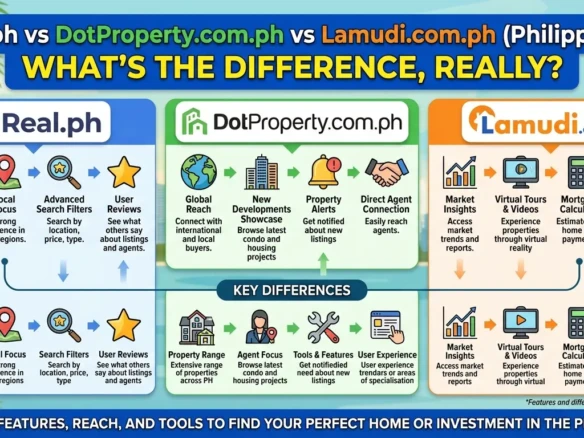
Most buyers in the Philippines start online. They’re checking Lamudi phils, Facebook Marketplace, Carousell, and even TikTok.
But posting a listing isn’t enough. It’s all about how you post.
Quick checklist for online listings:
-
Use an attention-grabbing first line (Ex: “Newly Renovated House in Marikina – Ready for Move-In!”)
-
Mention the price (don’t hide it; people skip listings without it)
-
Include your exact location or nearby landmarks
-
Respond quickly to inquiries—ghosting kills interest
-
Be honest in your replies; don’t oversell
And always, always watch out for scammers. Don’t give out documents unless you’re dealing with a verified buyer or broker.

7. Should You Use a Broker? (Sometimes, Yes)
A licensed real estate broker can take a load off your back—if you find the right one.
They’ll help with pricing, handle buyer inquiries, schedule viewings, and assist with paperwork.
But not all brokers are the same.
Real experience: Maricel hired a “broker” her friend recommended. He wasn’t licensed, didn’t attend any viewings, and pressured her to drop her price so he could close a deal fast. She later found a licensed broker through a Facebook group and finally sold within a month—at a higher price.
Don’t just go with anyone. Ask for their PRC license. Check past sales. And always agree on the commission up front (standard is 3% to 5%).
8. Be Flexible—but Don’t Be a Push Over
Buyers will negotiate. That’s expected.
But be smart with it. Know your bottom line, and stick to it unless there’s a good reason to budge.
One seller shared how a buyer asked for ₱500,000 off because they “didn’t like the paint color.” Seriously? That’s a can of paint, not a renovation.
Listen to feedback, but don’t let low-ballers waste your time. The right buyer is out there—they just need to see value in your price.
9. Closing the Sale (Where Things Usually Drag)
Once the buyer is serious, you’ll move into the paperwork stage.
This part is slower than people think. The due diligence alone (checking the title, taxes, etc.) can take weeks.
Here’s what usually happens:
-
Buyer signs a Letter of Intent
-
You both agree on a price
-
Buyer pays a reservation or earnest money
-
You prepare the Deed of Absolute Sale
-
Taxes get computed (capital gains, documentary stamp tax, etc.)
-
Buyer settles the balance
-
Documents get notarized and transferred
Important: Always deal with a legit lawyer or notary public. Avoid fixing agents who promise to “rush” the process for a fee.
10. Emotional Letting Go (Yeah, It’s Real)
Selling isn’t just a financial decision. It can be emotional too.
Especially if it’s a home filled with memories—family dinners, birthdays, even the hard times.
Allow yourself to feel that. But also remind yourself why you’re selling. Whether it’s for peace of mind, a better investment, or a fresh start—it’s valid.
A lot of sellers feel a mix of relief and sadness once the deal is done. That’s normal. It means your house meant something. And that’s a beautiful thing.
Selling vs. Holding: Is Property in the Philippines Still a Good Investment?
While many are focused on selling, it’s worth asking—should you even be selling at all? A Quora thread tackled this question head-on, and the answers were a mix of caution and optimism.
Some users pointed out that property still holds long-term value, especially in high-growth areas outside Metro Manila. Others warned that flipping or short-term gains aren’t as easy as they used to be. The key takeaway? If you’re not in a rush and the property is in a promising location, holding might still make sense.
Of course, that depends on your financial goals. If you need cash now or the land is just sitting idle, selling might be smarter. But if you believe in the area’s future, waiting a bit longer could pay off.
Ultimately, both options have merit—it all comes down to timing, strategy, and your personal situation.
Final Thoughts: Selling Real Estate in the Philippines Doesn’t Have to Be Complicated
Look—selling real estate in the Philippines isn’t always fast, and it rarely goes the way you expect. There might be delays, negotiations that go nowhere, or paperwork surprises. But that doesn’t mean it can’t be done right.
With the right preparation and mindset, selling real estate in the Philippines can be smoother than you think. Stay informed, know what you’re offering, and don’t let yourself be rushed into anything that doesn’t feel right.
Ask around. Learn from other sellers. And remember—selling real estate in the Philippines isn’t about luck. It’s about knowing what works.
You’ve got this.
Join The Discussion