

 by
by 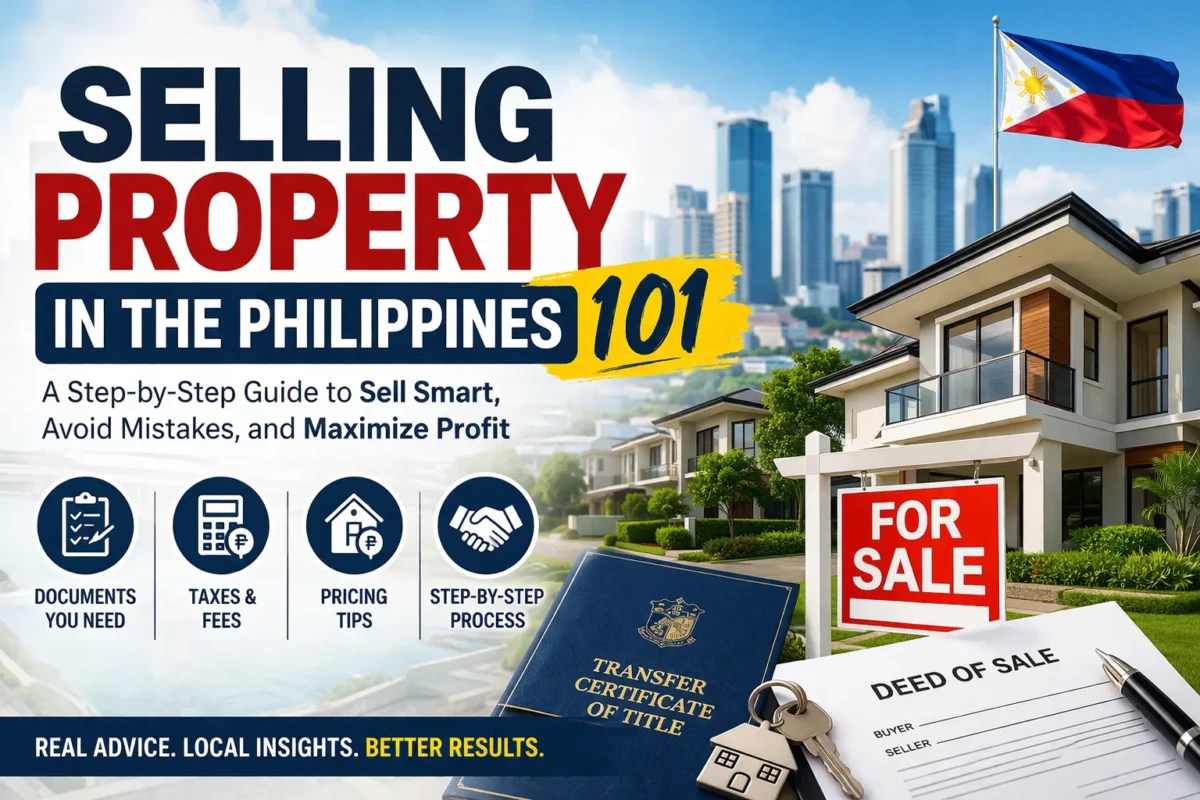
But in reality? Medyo tricky. There are legal steps, taxes, paperwork, and buyer behavior to understand. Miss one detail, and you could lose time—or worse, money.
This guide walks you through everything. Clear. Practical. Based on real-world experience and verified sources.
Goal: Help you sell faster, avoid costly mistakes, and get the best possible price.
🏡 What Does “Selling Property in the Philippines” Actually Involve?
Let’s break it down simply.
Selling property means transferring ownership of real estate (house, condo, land) from seller to buyer through a legal process involving contracts, taxes, and government registration.
Key components:
- Pricing strategy – setting a competitive but profitable price
- Marketing – listing your property online or through agents
- Legal documentation – titles, tax declarations, IDs
- Taxes & fees – CGT, DST, transfer tax, etc.
- Closing process – signing documents and transferring ownership
Quick fact: Most property sales in the Philippines take 30 to 90 days, depending on financing and documentation readiness.
💬 Q: Who Can Sell Property in the Philippines?
Short answer:
Property owners or legally authorized representatives.
Detailed explanation:
- Filipino citizens – can sell any owned property
- Foreigners – can sell condos but cannot own land
- Corporations – must be at least 60% Filipino-owned
- Authorized agents – must have a valid SPA (Special Power of Attorney)
Important: Always verify ownership via the Transfer Certificate of Title (TCT).
💬 Q: What Documents Do You Need to Sell Property?
This is where many sellers get delayed. Missing one document can stall your deal.
📋 Essential Checklist
| Document | Description |
|---|---|
| Transfer Certificate of Title (TCT) | Proof of ownership issued by the Registry of Deeds |
| Tax Declaration | Property valuation for tax purposes |
| Real Property Tax Clearance | Confirms no unpaid property taxes |
| Valid IDs | Government-issued identification |
| Deed of Sale | Legal contract between buyer and seller |
Pro tip: Prepare these early. Buyers move faster when documents are ready.
💬 Q: How Much Are the Taxes When Selling Property?
This is one of the most searched questions—and for good reason.
📊 Seller’s Taxes Breakdown
| Tax Type | Rate | Who Pays |
|---|---|---|
| Capital Gains Tax (CGT) | 6% of selling price or zonal value (whichever is higher) | Seller |
| Documentary Stamp Tax (DST) | 1.5% | Buyer |
| Transfer Tax | 0.5%–0.75% | Buyer |
| Registration Fee | Varies | Buyer |
Example:
If your property sells for ₱5,000,000:
- CGT = ₱300,000
Important: Taxes must be paid within 30 days after notarization of the Deed of Sale.
Reference: BIR Capital Gains Tax Guide
💬 Q: How Do You Price Your Property Correctly?
Pricing is everything. Too high? Walang inquiries. Too low? You lose profit.
📈 Smart Pricing Strategy
- Check comparable listings in your area
- Review recent sold properties (not just active listings)
- Factor in location value (schools, transport, malls)
- Consider property condition
- Add negotiation buffer (usually 5–10%)
Real example:
A seller in Quezon City listed a condo at ₱6.5M. No offers for 3 months. After adjusting to ₱5.9M, it sold in 2 weeks.
Lesson? Buyers compare aggressively.
💬 Q: Where Should You List Your Property?
Exposure matters. The more visibility, the higher your chances of closing.
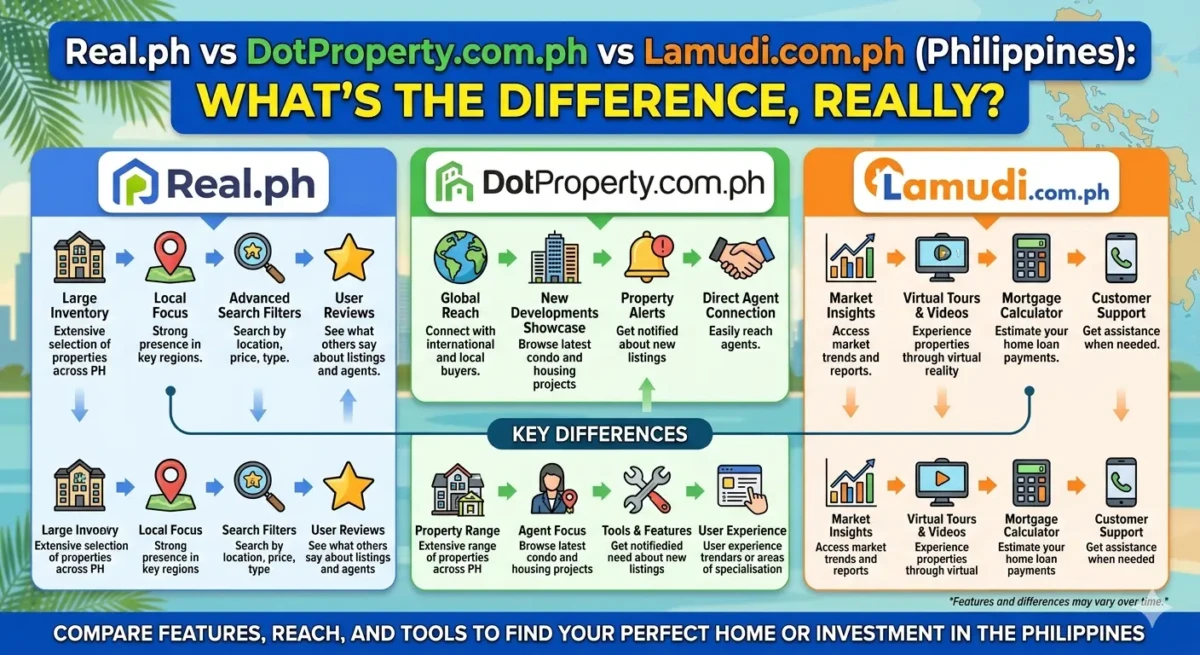
🌐 Top Platforms
Tip: Use multiple platforms. Don’t rely on just one.
Bonus strategy: Combine listings with social media posts. Organic reach still works.
💬 Q: Should You Use a Real Estate Agent?
This depends on your situation.
Pros:
- Handles negotiations
- Manages paperwork
- Has buyer network
Cons:
- Commission fee: 3%–5%
Recommendation:
If you’re busy or unfamiliar with the process, an agent can save you time.
But if you want full control and savings, selling on your own is possible.
💬 Q: What Is the Step-by-Step Process of Selling?
🧭 Complete Process
- Prepare documents
- Set your price
- List your property online
- Handle inquiries and viewings
- Negotiate price and terms
- Sign Deed of Sale
- Pay taxes
- Transfer title to buyer
Timeline: Typically 1–3 months, longer if bank financing is involved.
💬 Q: What Mistakes Should You Avoid?
🚫 Common Seller Mistakes
- Overpricing the property
- Poor-quality photos
- Incomplete documents
- Ignoring buyer inquiries
- Not understanding taxes
Real talk: Many deals fall apart due to slow responses. Buyers move on quickly.
💬 Q: How Can You Sell Faster?
⚡ Proven Tips
- Use professional photos
- Write clear, honest descriptions
- Highlight nearby landmarks
- Offer flexible viewing schedules
- Respond within minutes, not hours
Quick win: Listings with high-quality images get up to 2–3x more inquiries.
💬 Q: Is It Better to Sell Now or Wait?
This depends on your goal.
- Need cash fast? Sell now
- Market is rising? You may wait
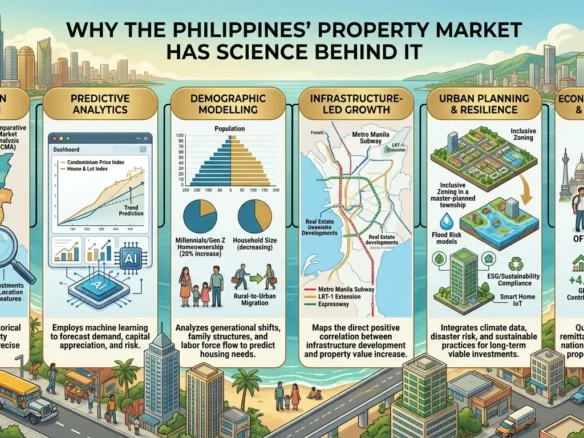
Insight: Philippine real estate has shown steady growth in urban areas.
Reference: Philippine Statistics Authority
💬 Q: Real-Life Seller Experience
A homeowner in Cavite listed their property online with basic photos. No traction for weeks.
They updated the listing. Better photos. Clear description. Added nearby schools and transport details.
Within 10 days? Multiple inquiries. Property sold within a month.
Lesson: Presentation matters more than most people think.

Join The Discussion