
🏠 Property Rentals in the Philippines: Complete Guide
Property rentals in the Philippines are booming. From condo living in Makati to beachfront homes in Cebu, both locals and foreigners are looking for places that fit their lifestyle and budget. But how does renting really work in the Philippines? What should tenants and landlords expect? And what do you need to know before signing a lease?
🤔 What types of rental properties are available in the Philippines?
Rental options in the Philippines vary widely. Common categories include:
- Condominiums – Popular in urban centers like Manila, Cebu, and Davao. Units range from ₱15,000/month for studios to over ₱150,000/month for luxury penthouses.
- Apartments – Usually low-rise buildings, often cheaper than condos. Expect ₱8,000–₱25,000/month depending on location.
- Townhouses – Good for families who want more space. Rental rates range from ₱20,000–₱80,000/month.
- Single-family houses – Found in subdivisions or gated communities. Prices depend on land area and city.
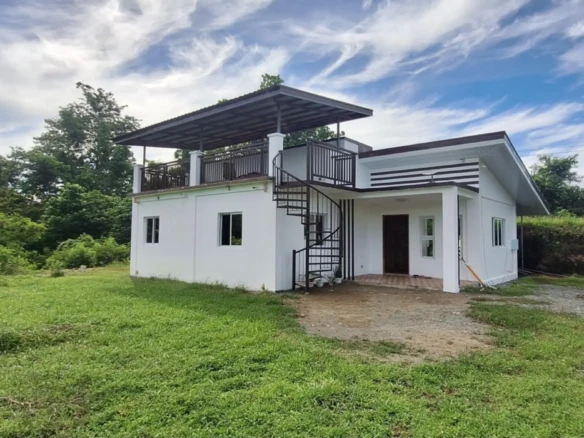
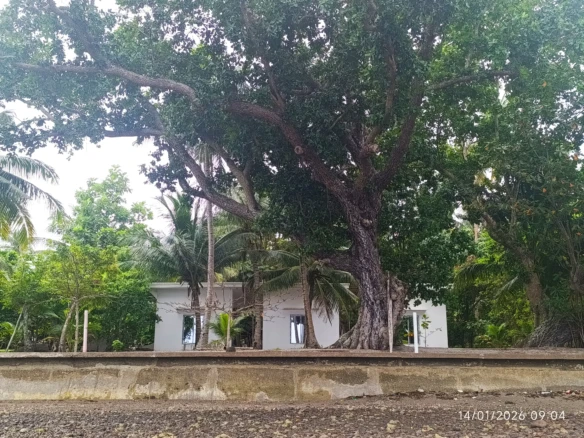
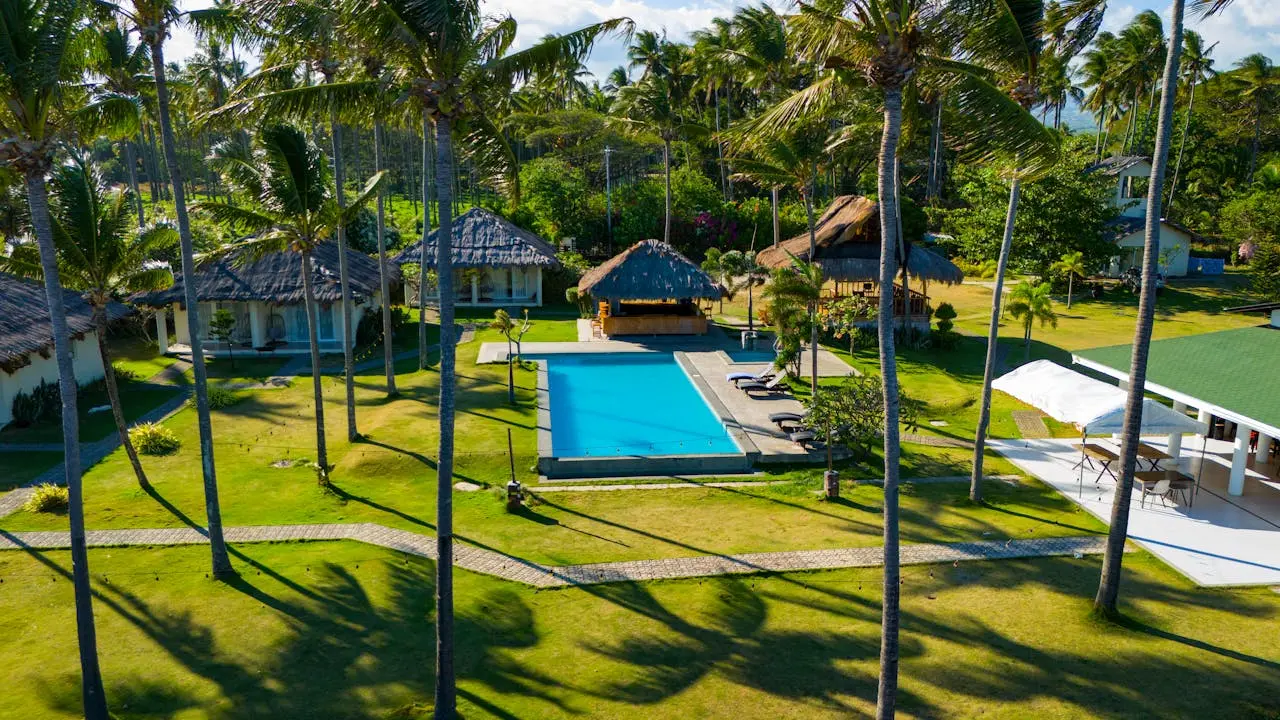
- Beachfront or provincial homes – Popular in Palawan, Siargao, and Boracay. Short-term and long-term leases are common.
Local insight: Condos are the top choice for expats due to security and amenities, while Filipinos often prefer townhouses or houses for bigger families.
📜 What is the typical rental process?
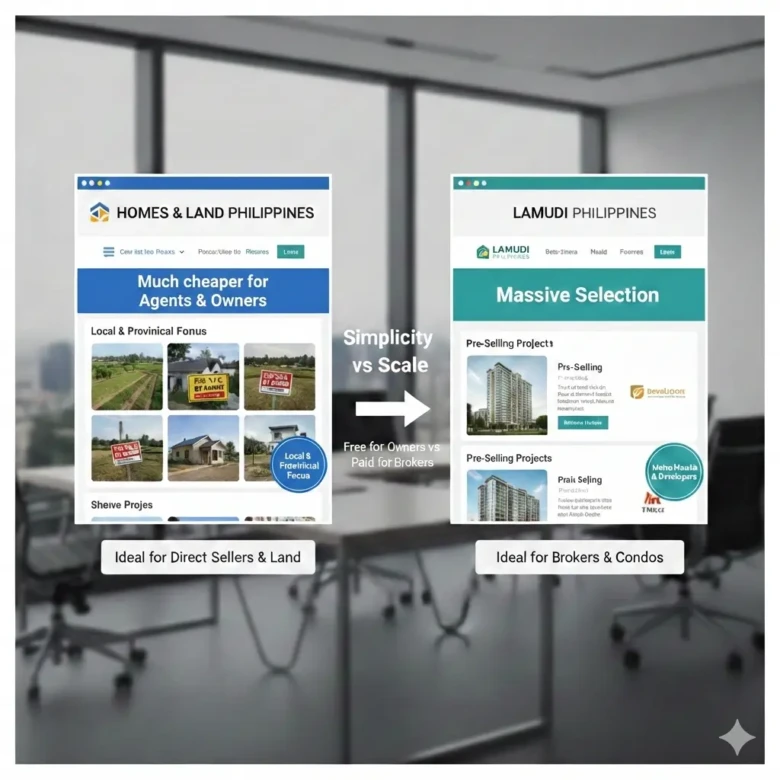
- Search online or through an agent – Websites like Homes & Land Philippines list thousands of free rentals.
- Schedule a viewing – Always inspect before committing.
- Discuss terms – Monthly rent, utilities, association dues, and length of contract.
- Sign a lease contract – Usually 1 year.
- Pay deposits – Normally 2 months security deposit + 1 month advance.
Tip: Always ask if utilities (water, electricity, internet) are included. Some landlords add condo association dues on top of rent.
💵 How much does it cost to rent in the Philippines?
| Location | Condo (1BR) | Apartment (2BR) | House/Townhouse |
|---|---|---|---|
| Makati CBD | ₱30k–₱70k | ₱20k–₱40k | ₱50k–₱120k |
| BGC, Taguig | ₱35k–₱80k | ₱25k–₱45k | ₱60k–₱130k |
| Quezon City | ₱15k–₱30k | ₱10k–₱25k | ₱25k–₱60k |
| Cebu City | ₱18k–₱40k | ₱12k–₱28k | ₱30k–₱70k |
| Davao City | ₱12k–₱25k | ₱8k–₱20k | ₱20k–₱45k |
📝 What should be in a Philippine rental contract?
- Names of landlord and tenant
- Rental price and payment terms
- Duration of lease (commonly 12 months)
- Security deposit and advance rent
- Renewal and termination clauses
- Responsibilities for repairs and maintenance
Important: Philippine law (Civil Code, Art. 1654–1688) protects both landlords and tenants. Landlords must keep the property habitable. Tenants must pay rent on time.
👩⚖️ Can foreigners rent property in the Philippines?
Yes. Foreigners cannot own land (except through corporate structures or inheritance), but they can freely rent residential and commercial properties.
- Many expats rent condos because condo ownership laws are foreigner-friendly.
- Rental contracts for foreigners are usually in English.
- Long-term leases (up to 25 years, renewable for another 25) are allowed under Philippine law.
🔍 Common tenant questions
Q: Are utilities included in rent?
Sometimes. Condos often exclude electricity and water. Internet is usually tenant’s responsibility.
Q: How do I pay rent?
Options include post-dated checks, online transfer (GCash, PayMaya, bank), or cash. Always ask for receipts.
Q: Can I negotiate rent?
Yes! Especially for long-term leases. Many landlords lower rates if you pay 6–12 months upfront.
Q: What happens if I break my lease early?
You usually forfeit your deposit unless you find a replacement tenant or the landlord agrees.
Q: What’s the difference between “apartment” and “condo” here?
In the Philippines, apartments are low-rise, no amenities. Condos have security, gyms, pools, and are in prime locations.
📊 Checklist Before Renting
- Visit the property personally
- Check flood zones (important in Manila)
- Inspect water pressure and internet availability
- Clarify association dues and parking fees
- Take photos during move-in to avoid disputes
- Read and keep a signed lease contract
🏙️ Real-life example: Renting in Makati
Maria, a young professional, wanted a condo near Ayala Avenue. She viewed 4 properties:
- A studio for ₱22,000/month (but no parking).
- A 1-bedroom for ₱35,000/month (with gym and pool).
- A 2-bedroom for ₱55,000/month (too expensive).
- A slightly older condo at ₱28,000/month (good internet, walkable to work).
She chose the older condo because it fit her budget and lifestyle. Like many tenants, Maria prioritized location and Wi-Fi speed over luxury finishes.
📌 What laws protect renters in the Philippines?
- Civil Code of the Philippines (Articles 1654–1688) – Governs lease contracts.
- Rent Control Act of 2009 (RA 9653) – Protects tenants in low-income rentals (₱10,000/month and below in Metro Manila; lower in provinces). Rent increases are capped at 7% annually for covered units.
🏖️ Short-term rentals (Airbnb & similar)
- Condos – Some buildings ban Airbnb.
- Tourist areas – Cebu, Siargao, and Boracay encourage short-term rentals.
- Taxes – Hosts must register with BIR (Bureau of Internal Revenue).
Practical advice: If you’re booking Airbnb, always check building rules. Some condos require guests to register at the lobby.