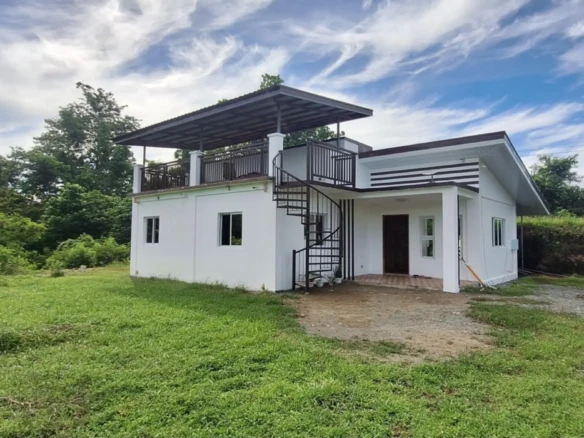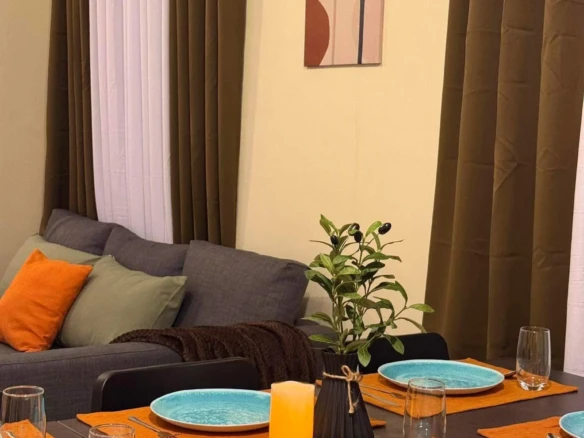

We’re excited to share a big step forward: our new partner, FHFD, is now focusing onFlexible House and Interior Designs—modular, customizable solutions built around
durability, quality, and aesthetic appeal. The goal is simple but powerful: make every space feel
thoughtfully designed today, while staying ready for whatever tomorrow brings. Hindi lang ito tungkol sa “maganda”
na bahay—about it’s about creating a home that can adapt as your needs, family, and style evolve.
Flexibility, for FHFD, isn’t a buzzword. It’s a practical design approach: design systems that allow you to adjust,
upgrade, and refine your home without losing cohesion. Whether you’re building from the ground up or improving a home
you already own, FHFD’s direction helps you avoid “one-size-fits-all” outcomes and instead land on something that
looks intentional, feels comfortable, and lasts.
🧩 What “Flexible” Really Means (Modular Thinking, Personalized Results)
FHFD’s approach is rooted in modular thinking: creating layouts and interiors that are composed in smart “parts”
(zones, components, finish packages, and functional elements) that can be customized, swapped, or upgraded while still
looking seamless. In the broader housing world, modular homes are commonly described as homes built off-site in
sections (modules) and assembled on a permanent foundation, typically held to local building code requirements like
site-built homes—one reason people associate modular methods with reliable standards and consistent outcomes
[2].
That same idea—precision, planning, and flexibility—translates beautifully to interiors. Instead of designing a
room as a fixed “final answer,” FHFD designs it as a system that can grow with you. If you want an open layout now
but need a future-ready corner office later, or if you want a minimalist base that can handle seasonal style updates,
modular planning makes it easier. Parang wardrobe basics: solid foundation, then you add accents when you’re ready.
🎨 The “Wow” Experience: Visual Design Options You Can Actually See
A major source of homeowner stress is uncertainty—choosing finishes, layouts, and furnishings without truly knowing
how it will look and feel once completed. FHFD tackles that head-on by leaning into visual design experiences that
help clients preview and confidently choose what matches their personal taste.
A structured interior design process often starts with an initial consultation, then moves into concept development
(mood boards, style direction), space planning, design development (materials and finishes), and visualization tools
such as 3D renderings or virtual-style previews—followed by implementation and a final walkthrough
[8]. This flow helps homeowners make decisions with clarity, not guesswork. Kung gusto mo ng cozy and warm,
we can show you what “cozy” looks like in your lighting and your layout. If your taste is clean and
modern, we can validate it before anything gets installed.
The result is a “wow” moment that’s earned—not forced. It comes from seeing options that match you: color palettes
that flatter your natural light, textures that feel premium, storage solutions that don’t look like an afterthought,
and layouts that make daily routines smoother. Small detail, big difference—sulit sa everyday living.
🧱 Durability + Quality: Beautiful Spaces That Hold Up in Real Life
Design should survive real life—kids, pets, visitors, work-from-home chaos, holiday gatherings, and quiet weekends.
FHFD’s “durability and quality” focus is about making smart choices that protect both the look and performance of your
space over time.
Durable design, in professional guidance, isn’t just “use stronger materials.” It’s an integrated approach that
considers how systems interact, and it pays attention to common long-term risks like moisture, pests, and natural
hazards—because the benefits of efficiency and sustainability don’t truly land if the home isn’t durable
[3]. In other words: a space can be stylish and energy-smart, but if it’s prone to damage and constant
repairs, it won’t feel like a win.
FHFD’s flexible design mindset supports durability by planning from the start: practical finishes where you need them,
thoughtful transitions where old meets new, and details that reduce long-term maintenance headaches. Ang importante:
you don’t have to choose between “matibay” and “maganda.” You can have both—by design.
🏡 For Homeowners Who Already Bought a Property: Seamless Enhancements
Not everyone is starting with a blank lot. Many homeowners already have a property they love—but the interiors don’t
quite match their lifestyle, or the layout feels dated, or the finishes don’t reflect their taste. FHFD’s enhancement
work is designed to fit seamlessly with existing elements, so the upgrades feel like they’ve always
belonged.
This is where flexibility becomes a real superpower. Instead of “ripping everything out,” FHFD helps you identify what
to keep, what to upgrade, and what to refine so your home retains its identity while gaining functionality and style.
Maybe that means optimizing your living zones, improving lighting layers, refreshing cabinetry finishes, upgrading
storage, or introducing new textures that elevate the whole space without fighting what’s already there. Hindi gulo,
hindi pilit—cohesive talaga.
🛋️ The Finishing Layer That Makes It Feel Complete: FF&E
Great design doesn’t stop at walls and floors. A space truly comes alive through the items you use and interact with
daily: furniture, fixtures, lighting, decor, and practical equipment. In the industry, these are often grouped as
FF&E (Furniture, Fixtures & Equipment)—the movable, non-structural items that shape the function and
feel of an interior [16]. Another common way to describe it is: if you could turn the building upside down,
everything that falls out is FF&E [23].
FHFD’s flexible interior approach makes FF&E selection less overwhelming by aligning it with a clear concept and a
practical plan. Instead of randomly buying pieces that “kind of match,” you get a curated direction—so every chair,
lamp, shelf, and finish supports the same story. And because tastes change, modular planning makes future updates
easier: upgrade a zone, refresh a set of fixtures, or swap accent pieces without breaking the overall design harmony.
Parang playlist: same vibe, new tracks.
🤝 How FHFD Turns Flexibility Into a Smooth Project Experience
A flexible home still needs structure behind the scenes—clear steps, reliable coordination, and the right timing.
In modular construction guidance, success is often tied to early engagement with the design team, precision in how
components interface, and open collaboration across everyone involved [9]. FHFD brings that same discipline to
flexible interiors: align early on goals and taste, visualize options clearly, and coordinate the details so the final
install feels effortless.
That means fewer surprises, fewer “almost right” compromises, and more of what homeowners actually want: a space that
feels personal, functions well, and looks premium. Kung busy ka, this kind of clarity matters even more—because it
saves time, reduces back-and-forth, and helps decisions feel confident.
Try our service to also enhance the look of your home, because it’s not just a home, but a place of beauty along with memories that last.
That line captures the heart of the partnership: FHFD isn’t only improving rooms. It’s elevating the moments that
happen inside them—morning coffee at a kitchen island that finally works for your routine, family dinners in a space
that feels inviting, quiet nights in a living room that feels like you. Design becomes the backdrop for memories, and
the flexibility ensures that backdrop keeps up with real life.
🎯 Ready When You Are
If you’re building, upgrading, or simply ready to make your home feel more “you,” FHFD’s Flexible House and Interior
Designs offer a smart path forward: modular thinking, customizable choices, durability-minded decisions, and visuals
that deliver a true “wow” experience. Walang cookie-cutter—just thoughtful design that fits your taste and your life.
Build Your Dream Home
http://fhfd-main-site.netlify.app/
Sources: Modular home overview and code context [2]; durability guidance and integrated design principles [3];
modular project principles (early engagement, precision, collaboration) [9]; interior design process and visualization steps [8];
FF&E definition and scope [16][23].