
Bacolod City Properties
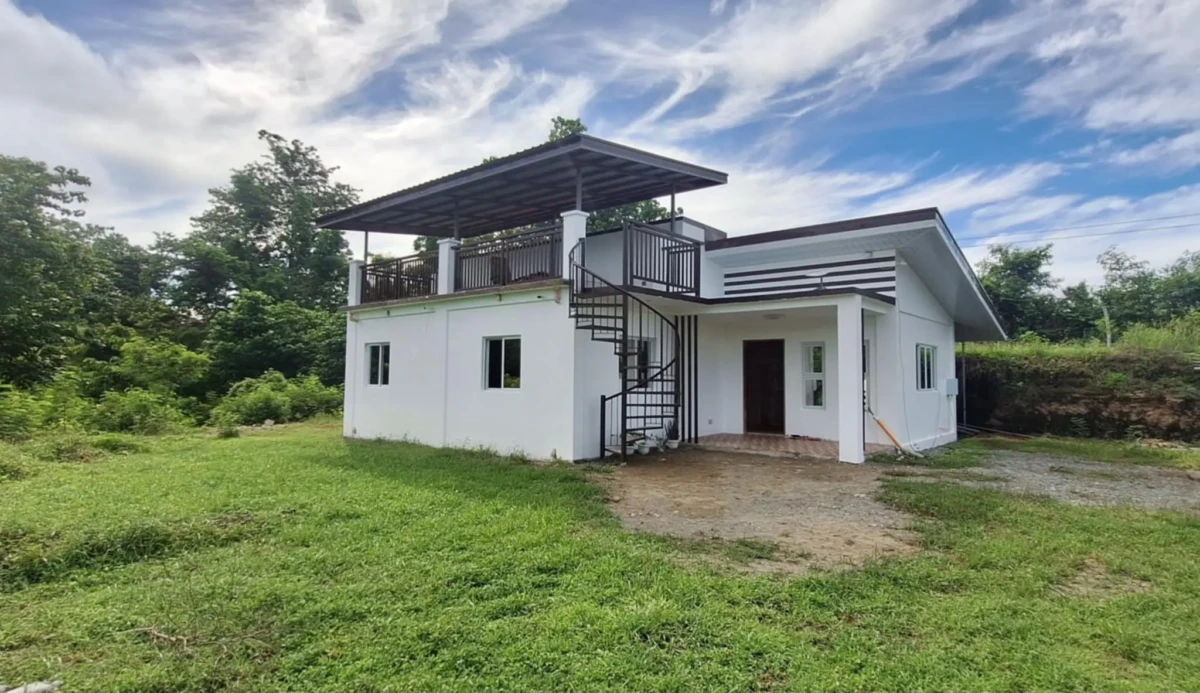
Properties for Sale in Bacolod City



Last Updated: October 2025
You are probably here because you heard about the food. Or maybe you heard that life moves a little slower here.
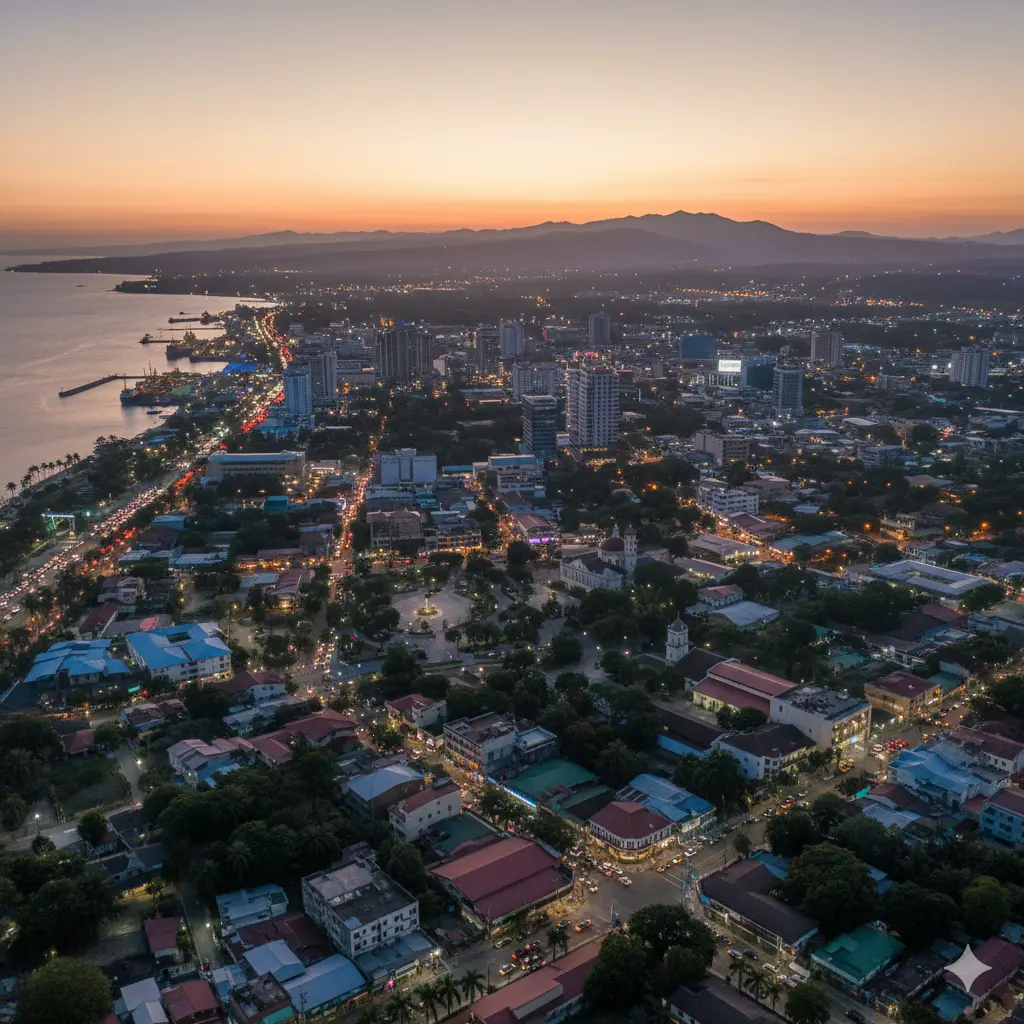
Bacolod City isn’t just sugar fields anymore. It’s becoming a serious hub for business, retirement, and families who want out of the Metro Manila chaos.
I remember my first time driving down Lacson Street during the MassKara Festival. The energy was electric, yet the next morning, I could walk into a cafe and have a quiet conversation without shouting over traffic noise. That balance is rare.
If you are thinking about buying a home, a condo, or a piece of land here, you likely have a dozen questions. This guide answers them. No fluff. Just the facts you need to make a smart move.
Why is everyone suddenly interested in Bacolod City?
It feels like Bacolod popped up on the radar overnight, right? But this growth has been brewing for a decade.
You should care about Bacolod for three main reasons: Infrastructure, Economy, and Lifestyle.
Years ago, if you wanted a high-end condo, you had to stay in Makati. Now, giants like Megaworld, Rockwell, SMDC, and Ayala Land are pouring billions into the city. When the big players move in, property values usually follow.
Key Economic Drivers:
-
BPO Industry: Bacolod is often called a “Center of Excellence” for IT-BPM. This means steady jobs and a rental market fueled by young professionals.
-
Infrastructure: The Bacolod-Silay Airport is expanding, and the coastal roads are opening up new areas for development.
-
The Food: This sounds trivial, but it’s not. A city with a strong culinary culture (think Chicken Inasal and Calea cakes) attracts tourism, which boosts short-term rental potential (Airbnb).
Which neighborhoods are actually worth your money?
“Location, location, location” is a cliché, but in Bacolod, it’s about Lifestyle vs. Budget.
Here is the breakdown of where locals and smart investors are looking.
1. The “New” Centers (Upper East & Northill)
If you want to be where the action is, look at the townships.
-
The Vibe: Modern, walkable, condo-living.
-
Best For: Investors wanting rental income and young professionals.
-
The Landmark: The Upper East by Megaworld (near the Government Center). It’s aspiring to be the BGC of Bacolod.
-
Price Point: High. Expect prices to rival second-tier cities in Luzon.
2. Mansilingan & Alijis (The Suburbs)
This is where the families go.
-
The Vibe: Quiet, gated subdivisions, lots of trees.
-
Best For: Families, retirees, and people who want a garden.
-
The Catch: Traffic can get heavy during rush hour going into the city center.
-
Price Point: Mid-range. You get more square meters for your peso here.
3. Bata & Mandalagan (The North)
-
The Vibe: Established, accessible, close to hospitals and malls like Robinson’s Place.
-
Best For: People who want convenience without the density of the downtown area.
-
Price Point: Mid-to-High.
Condos vs. House & Lot: What’s the better buy in Bacolod?
This is the most common question I get. The answer depends entirely on your timeline.
Use this decision matrix:
| Feature | Condominium | House & Lot |
| Entry Price | Generally Lower (starts at ₱3M+) | Higher for good areas (starts at ₱4M+) |
| Maintenance | Low (Admin handles it) | High (You fix your own roof) |
| Appreciation | Slower, dependent on demand | Faster, land value always goes up |
| Rental Potential | High (Easy to rent to expats/students) | Moderate (Long-term families) |
| Ownership | CCT (Condominium Certificate of Title) | TCT (Transfer Certificate of Title) |
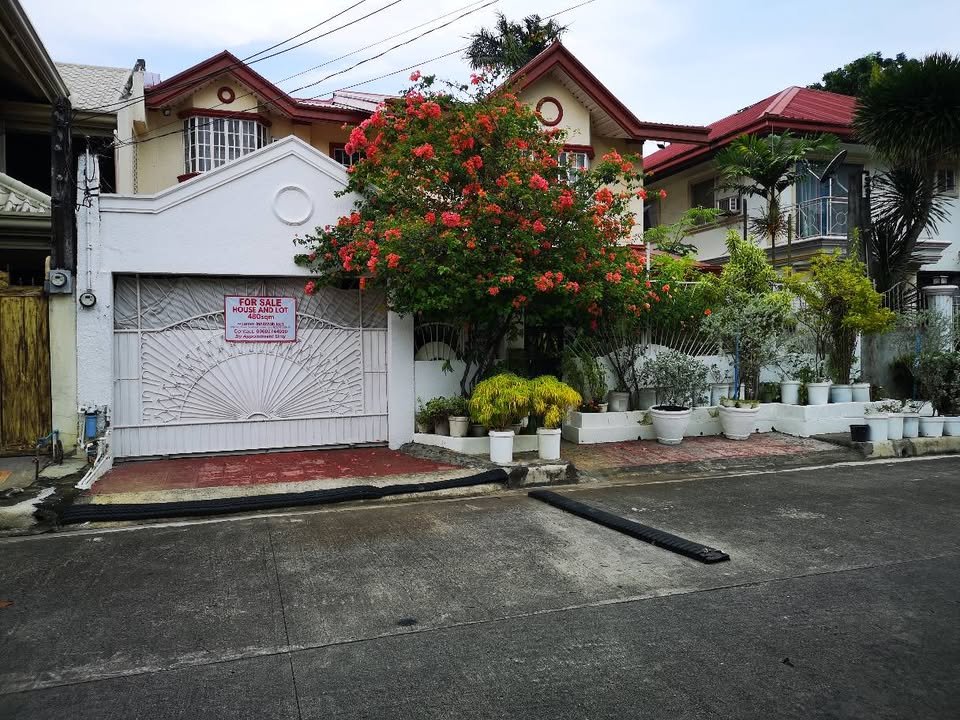
My Advice: If you are an OFW (Overseas Filipino Worker) who plans to visit once a year, get a condo. It’s lock-and-leave. If you are raising three kids and two dogs, buy the house in Alijis.
What are the hidden costs of buying property?
The price on the flyer is not the price you pay.
In the Philippines, closing costs can shock you if you aren’t ready. Let’s break down the extra fees so you don’t get blindsided.
Standard Buyer’s Costs:
-
Documentary Stamp Tax (DST): 1.5% of the selling price or zonal value (whichever is higher).
-
Transfer Tax: 0.5% to 0.75% of the selling price (varies by local government, Bacolod is usually around 0.5%).
-
Registration Fee: Roughly 0.25% of the selling price.
-
Notarial Fees: 1% to 2% of the selling price (negotiable).
Who pays Capital Gains Tax (CGT)?
Strictly speaking, the Seller pays the 6% Capital Gains Tax. However, in many resale transactions, the seller might ask for a “net” price, meaning you (the buyer) shoulder the taxes. Always clarify if the asking price is Gross (seller pays taxes) or Net (buyer pays taxes).
How do I buy a property? (Step-by-Step)
Buying here is a process, but it doesn’t have to be a headache. Here is your roadmap.
Step 1: The Reservation
You find a unit you like. You sign a Reservation Agreement (RA) and pay a fee (usually ₱15,000 to ₱50,000). This takes the property off the market for 30 days.
-
Tip: This money is almost never refundable. Be sure before you sign.
Step 2: The Down Payment (Equity)
For pre-selling properties (properties under construction), you usually pay 15% to 20% of the total price spread over 24 to 48 months. This is why pre-selling is popular—the monthly cash out is low.
Step 3: Financing
Once the equity is paid, you pay the remaining 80% balance. Most people don’t have ₱5 million in cash lying around, so you apply for a loan.
-
Bank Financing: Lower interest rates (7-9%), strict requirements.
-
Pag-IBIG Fund: Government housing loan. Higher interest rates for high amounts, but much easier to qualify for.
Step 4: Handover and Turnover
The developer or seller gives you the keys. You inspect the unit. Do not accept the keys until they fix the cracked tile or the leaky faucet.
Important Terms You Will Hear (Glossary)
Real estate agents love acronyms. Here is what they actually mean.
-
RFO (Ready for Occupancy): The unit is built. You can move in immediately after the down payment and paperwork.
-
Pre-Selling: The unit is still a drawing on a blueprint. You are buying a promise. It is cheaper, but you have to wait.
-
TCP (Total Contract Price): The final price including VAT and sometimes miscellaneous fees.
-
Zonal Value: The value of the land according to the Bureau of Internal Revenue (BIR). This is used to calculate taxes, even if the market price is higher.
-
Amortization: Your monthly loan payment.
Is it safe for foreigners to buy in Bacolod?
I get asked this weekly. The short answer: Yes, but with limits.
Foreigners cannot own land in the Philippines. It is unconstitutional.
However, foreigners CAN own:
-
Condominium Units: As long as 60% of the building is Filipino-owned, you can own the unit. You get a CCT (Condominium Certificate of Title).
-
A House (Structure Only): You can own the bricks and mortar, but you must lease the land it sits on. Long-term leases (25 years + 25 years renewal) are legal.
-
Through Inheritance: If a foreigner inherits land from a Filipino spouse, they can keep it.
-
Through a Corporation: A Filipino corporation (60% Filipino owned) can own land.
Warning: Don’t use a “dummy” owner to buy land. If you get caught, the government can seize the property, and you lose your money. Stick to condos or long-term leasing.
The “Local” Perspective: What is it really like?
Let’s drop the sales talk for a minute.
Bacolod is charming, but it has growing pains. Traffic is real. During 5:00 PM rush hour, Lacson Street slows to a crawl. Flooding can happen in certain low-lying areas during typhoons (always check the flood history of a specific barangay before buying).
But the trade-off? You get weekends at Don Salvador Benedicto (the “Little Baguio” of Negros), which is just an hour drive away. You get fresh seafood at Pala-Pala for a fraction of Manila prices. You get a community that actually smiles at you.
The pace is slower. If you are used to the frantic speed of Hong Kong or New York, you will need to adjust. Things take time here. But that is exactly why people retire here. They want time.
Frequently Asked Questions (FAQ)
1. What is the average price of a house in Bacolod?
As of late 2024, a decent 2-bedroom townhouse in a gated subdivision starts around ₱3.5 million to ₱5 million. High-end properties in areas like Santa Clara or Ayala North Point can easily exceed ₱15 million to ₱25 million.
2. Is Bacolod flood-free?
Not entirely. While the city has improved drainage, areas near heavy commercial zones can flood during heavy rains. Generally, newer developments like The Upper East and subdivisions in Alijis (higher elevation) are safer bets. Always ask neighbors, not just the agent.
3. Can I use Pag-IBIG to buy a condo?
Yes. You can use a Pag-IBIG housing loan to purchase a condominium unit, provided the developer is accredited and you meet the monthly income requirements.
4. Is property in Bacolod a good investment?
Yes. The appreciation rate in Bacolod has been steady. With the completion of the Bacolod-Negros Occidental Economic Highway (BANOCEH), land values in peripheral areas are rising. It is a stable market, less volatile than Metro Manila.
Sources & References
-
Megaworld Corporation: Updates on The Upper East township development.
-
Bangko Sentral ng Pilipinas (BSP): Residential Real Estate Price Index (RREPI) data.
-
Bureau of Internal Revenue (BIR): Current Zonal Values for Bacolod City.
-
Pag-IBIG Fund: Loan eligibility and interest rate guidelines.