



- Commercial
- Negotiable


- Commercial
- P10
- Office
- P1.3K

- Commercial
- P25M

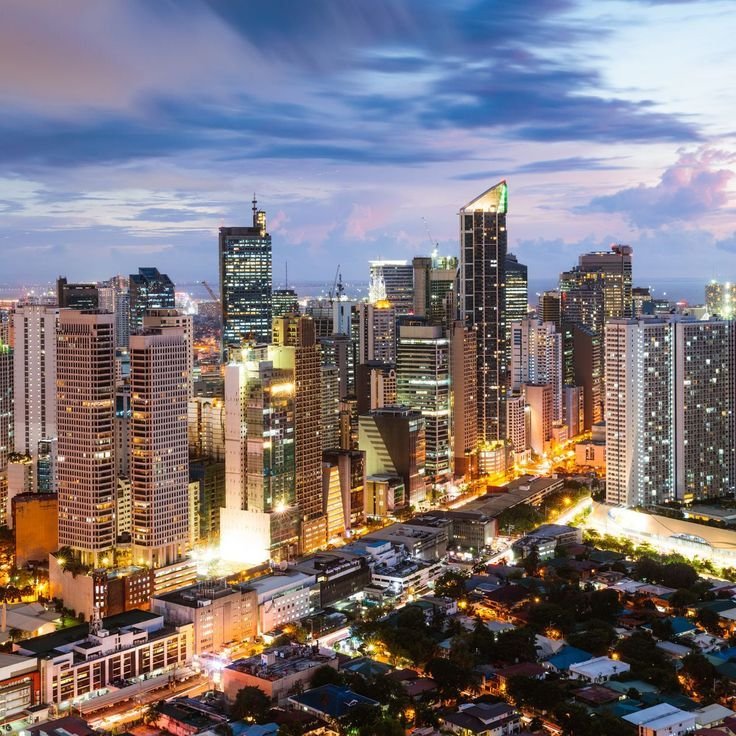

Commercial For Sale in Manila — Practical Guide for Investors & Business Owners
Looking at commercial space in Manila? Smart. The city still moves people, money, and ideas in ways few places can match. This guide is direct and practical. Short stories, clear checks, and a realistic checklist for investors and operators who want to make confident choices.
🏡 Why Manila matters for commercial property
Manila is dense and diverse. You’ll find old markets, government offices, and tight-knit neighborhoods where foot traffic is the real engine. Tenants value access to customers and workers. That makes certain streets and nodes more valuable than they look on a map.
Because of its age and role, Manila often has infrastructure advantages for logistics and services. That matters for restaurants, clinics, and small retailers that need predictable supply chains.
📍 Hot micro-locations to watch
Focus on corners with visibility, transport nodes, and established markets. In older parts of Manila, a well-placed ground-floor unit can attract steady tenants for years. Back lanes and service alleys may be cheaper, but they need careful operational planning for deliveries and waste handling.
If a unit sits near a government office or hospital, it can draw day-to-day customers that smaller retail strips miss. That steady flow often translates into stable rents.
💡 How to read market signals
Watch new openings and closures. When an established brand closes in a nearby city, it might signal shifting demand or a rise in costs. Track lease lengths and renewal rates. High renewal rates often mean the location works for tenants; low renewals may suggest issues with access or rising competition.
Another tip: local events and transit upgrades can create temporary surges in demand. If a transport node is scheduled to open, expect rising interest and plan your exit timing accordingly.
💰 Pricing, yield, and timing
Pricing depends on frontage, visibility, and local tenant appetite. A corner unit in Manila near transit can command a premium but will generally lease faster. Build a conservative yield model and include a realistic vacancy period. Fit-outs can take weeks or months depending on permits and tenant requirements.
Factor in local taxes and transfer costs. Your cash-on-cash return depends on realistic timing and a buffer for small surprises.
🚀 Case study: small buy, quick upgrade
An investor bought a compact retail unit in an established Manila corridor. The unit needed better lighting, signage, and a fresh storefront. After a modest fit-out, the unit attracted a cafe operator seeking walk-in customers and consistent morning traffic. The lease executed quickly and covered the upgrade cost within months.
📄 Due diligence checklist
- Confirm zoning and permitted uses with the city office.
- Request gross leasable area and compare to as-built plans.
- Inspect recent utility bills and maintenance logs for surprises.
- Observe delivery routes and access during peak hours.
- Review existing leases and tenant financials if occupied.
These checks often reveal the difference between a smooth operation and a recurring headache.
🔍 Tenant mix and lease strategy
Spread risk by mixing essentials—food, pharmacy, services—with niche concepts. Essential services reduce vacancy risk. Consider offering flexible lease terms for new brands and longer leases for anchors like clinics or supermarkets.
⚖️ Legal and tax reminders
Commercial deals have specific taxes and permit steps. Confirm VAT treatment, transfer taxes, and local business permit timelines with a lawyer. If tenants come from other cities, check how permit processes differ. That can affect occupancy timing and initial cash flow.
🛠 Fit-out, operations, and costs
Budget for durable finishes and easy-clean surfaces. High-traffic retail needs responsive HVAC and stronger flooring. Plan deliveries to avoid blocking lanes and secure permissions for any roadside loading. Confirm waste handling and storage options.
📈 Financing and exit planning
Lenders look at tenant quality and projected cash flow. If you plan to resell, prefer assets with broad appeal. Track local infrastructure projects. A nearby transit upgrade or commercial complex can create a clear exit window and increase your asset’s value.
🤝 Work with local specialists
Use brokers and advisors who know the neighborhood block by block. Ask for recent comparables, vacancy rates, and tenant turnover data. Local partners help you avoid paperwork delays and discover units that match your brief quickly.
📌 Final checklist before you buy
- Confirm zoning and permits in writing.
- Model a worst-case vacancy of 6–12 months.
- Verify tenant financials for occupied properties.
- Observe foot traffic and delivery operations at peak hours.
- Budget for fit-out and a small contingency fund.
🌐 Helpful external resources
For official city rules and permits, check the Manila City Government portal. For economic indicators, see the Philippine Statistics Authority. For a quick historical overview, the Manila page on Wikipedia provides context.
📣 Marketing and tenant onboarding
When a unit is ready, present it clean and well-lit. Professional photos and a short virtual tour reduce no-shows and attract serious tenants. Prepare a simple welcome packet for new tenants: building rules, delivery instructions, emergency contacts, and a cheat-sheet for utilities and Wi-Fi setup. That small packet improves tenant satisfaction and reduces early churn.
🧰 Day-one operations
On handover day, verify utilities, test access control systems, and confirm cleaning schedules. Walk the space with the tenant to record any pre-existing issues. A signed snag list protects both parties and smooths future disputes.
♻️ Sustainability and resilience
Simple improvements—LED lighting, low-flow fittings, and efficient HVAC controls—cut operating costs and make the unit more attractive to conscious tenants. Resilience matters too: secure backup electricity for critical circuits and clear flood-response plans protect income and reputation.
🧾 Record keeping
Keep a single folder for the property: permits, warranties, invoices, tenant correspondence, and inspection notes. Digital backups with clear file names save time when you need to show documents to lenders or authorities.
If you want to see live listings that match commercial investor needs, browse current commercial listings on Homes & Land. Ready to talk specifics or request a custom shortlist? Speak with our commercial property team for direct assistance.
🗣 Negotiation tips
Start with facts: recent comparable rents, typical fit-out timelines, and realistic vacancy assumptions. Be polite but firm. Ask for a phased deposit or a rent-free fit-out period if the tenant needs time to prepare. Small concessions can close deals without eroding long-term yield—focus on operational terms rather than headline rent if that helps both sides.
🛡 Insurance and risk
Confirm insurance coverage for liability, fire, and business interruption. Require tenants to hold a minimum liability policy and provide proof before move-in. Insurance terms can be a negotiation point and a safety net that keeps income stable after an incident.
🤝 Community and reputation
Local relationships matter. Meet neighboring shop owners and building management. A supportive local network helps with referrals and early warnings about operational issues. Reputation keeps vacancies low and attracts quality tenants over time.
📣 Closing thoughts
Buying commercial property in Manila rewards careful local work. Know your tenant, test your assumptions, and keep a modest buffer for surprises. Do this and a well-chosen property can become steady income and a strategic presence in the city.