

 by
by 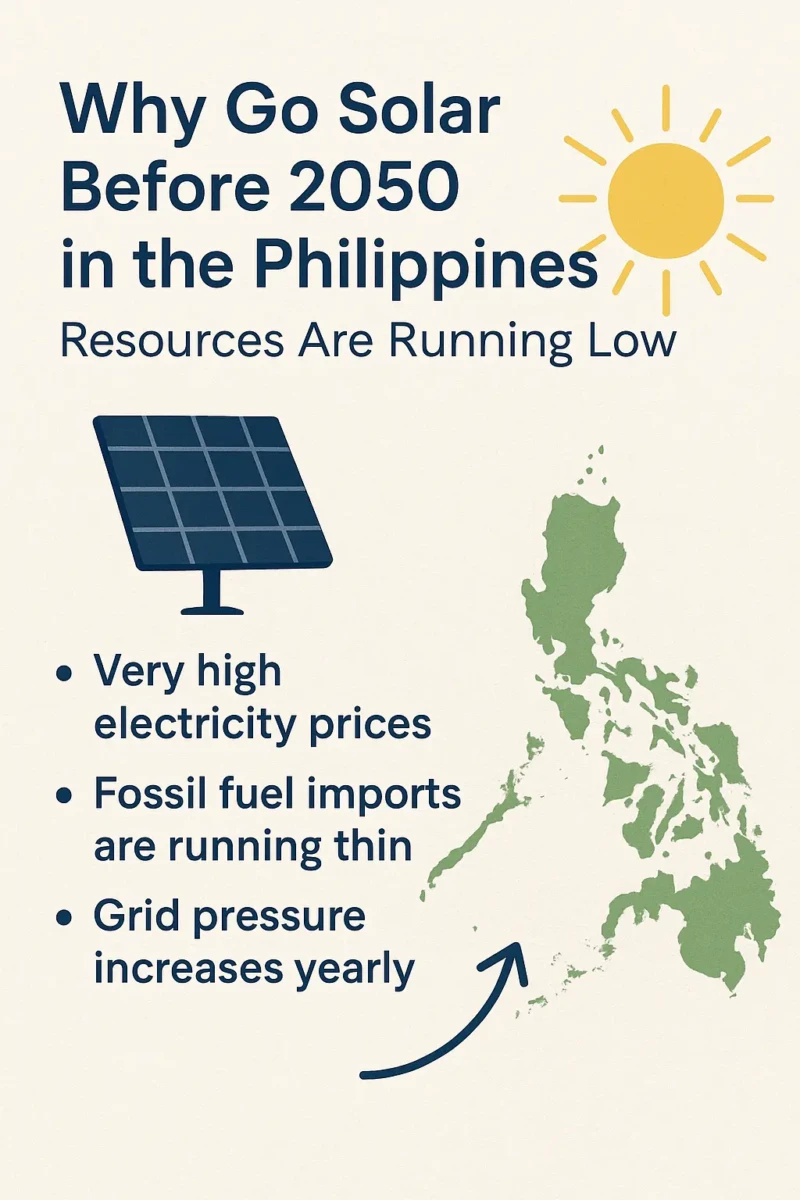
A Practical Q&A Guide for Filipino Homeowners, Renters, OFWs, and Small Business Owners
The Philippines sits in a time window that won’t stay open forever. Electricity rates are climbing. Grid instability shows up more each year. Natural resources used for traditional power generation are shrinking. And by 2050, global competition for affordable energy will likely reach a breaking point.
A lot of Filipinos ask the same thing:
“Does shifting to solar really matter now? Or can I wait a few more years?”
This guide answers that directly.
H2: Why Should Filipinos Go Solar Before 2050?
Q: What’s the real reason experts say the Philippines needs solar before 2050?
Because the Philippines is facing a triple problem:
-
Very high electricity prices (among the highest in Asia).
-
Fossil fuel imports are running thin as global demand grows and supply tightens.
-
Grid pressure increases yearly, especially during hot months and typhoon seasons.
By 2050, global forecasts expect a 40–60% rise in energy demand. Countries with weak energy independence will pay the price.
Solar gives households control before the situation becomes unavoidable.
Q: Are our natural resources really running low?
Yes — and fast. Here’s the local picture:
- Coal: The Philippines imports over 75% of its coal supply. Global demand stays high, and cheaper sources are harder to secure.
Source: https://www.doe.gov.ph/coal - Oil: The country relies on almost 100% imported crude, with no major new local oil reserves discovered in decades.
Source: https://www.doe.gov.ph/oil - Gas: The Malampaya gas field—fueling roughly 20% of Luzon’s electricity—is declining and expected to fall to critical levels by 2027–2030.
Source: https://www.doe.gov.ph/natural-gas/malampaya - Hydro: Hydropower output drops during droughts tied to El Niño, causing seasonal energy shortages.
Source: https://www.pagasa.dost.gov.ph/climate/el-nino-la-nina - Wind: Wind energy is useful but geographically limited to areas like Ilocos Norte, Guimaras, and parts of Northern Luzon.
General reference: https://www.doe.gov.ph/renewable-energy/wind - Solar: Solar is the only abundant energy resource the Philippines will never run out of. The country receives 4.5–5.5 kWh/m²/day of sunlight—one of the best in Asia.
Source: https://www.doe.gov.ph/renewable-energy/solar
The longer households wait, the more they expose themselves to supply issues they can’t control.
Q: Is 2050 a hard deadline?
Think of 2050 as the moment where waiting becomes expensive. Solar becomes a necessity, not a choice.
Energy analysts call 2024–2035 the “adoption window”—the period where switching early gives maximum return and protection from future price hikes.
H2: Will Solar Really Save Filipinos Money?
Q: How much can a typical Filipino home save?
A standard household (300–450 kWh/month) pays roughly ₱4,800–₱7,000/month.
A 3–5 kW solar setup can reduce that by 60–100% depending on usage and battery storage.
Estimated savings:
-
₱40,000–₱80,000 per year
-
₱1.2M–₱2.4M saved over 30 years
Solar is one of the few home improvements that pays you back continuously.
Q: But what if Meralco or the electric coop increases prices again?
Solar shields you from price hikes. Here’s a snapshot:
Historical Philippine electricity rate increases
| Year | Average Rate Increase | Key Reason |
|---|---|---|
| 2010–2015 | +25–30% | Fuel costs, system losses |
| 2015–2020 | +15–20% | Global supply issues |
| 2020–2024 | +12–30% | Gas depletion, coal volatility, inflation |
Experts warn that without new energy sources:
-
Electricity rates could rise 40–70% by 2050
-
Brownouts may get worse in hot seasons
Solar helps households avoid becoming victims of those trends.
H2: Is the Philippines Actually Good for Solar?
Q: Do we get enough sunlight?
The Philippines is one of the sunniest countries in Asia.
-
Average 4.5–6.0 kWh/m²/day solar irradiance
-
Peak sun hours around 5 hours daily
-
Year-round sun, even during rainy months
In short: panels here work extremely well.
I’ve personally tested a 5 kW system in Cavite. Even during rainy season, it generated more than expected.
Q: What about cloudy days?
Solar still works. Production drops about 20–30%, but doesn’t stop.
Battery systems help smooth out the gaps. Grid-tie systems let you pull from the grid only at night or during dark weather.
H2: Should I Install Solar If I’m Not Rich?
Q: Isn’t solar expensive?
It used to be. But local costs dropped dramatically.
Approximate pricing in the Philippines (2024–2025)
| System Size | Price Range | Best For |
|---|---|---|
| 1–2 kW | ₱60,000–₱100,000 | Small homes, light loads |
| 3–5 kW | ₱150,000–₱300,000 | Standard households |
| 5–10 kW | ₱280,000–₱650,000 | Large homes, small businesses |
| With batteries | Add ₱60,000–₱180,000 per battery | Areas with brownouts |
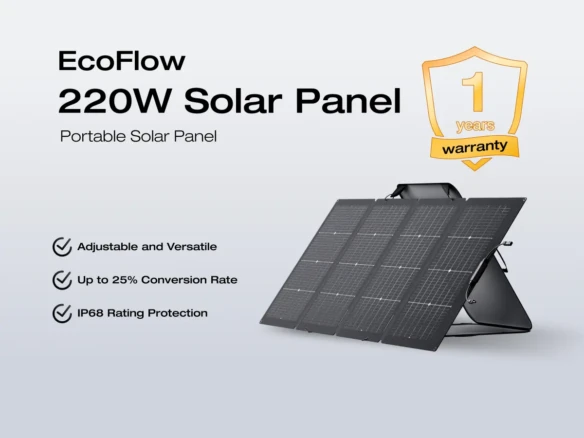
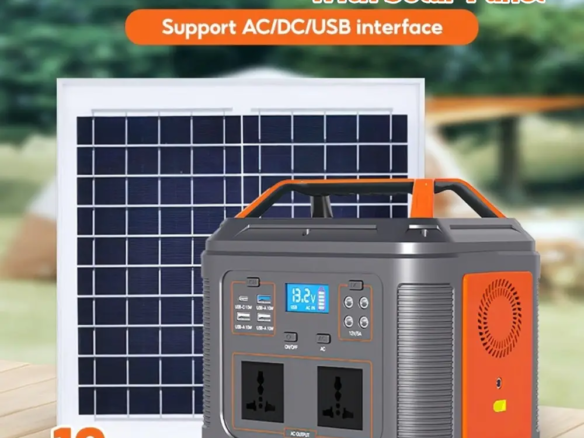
Solar loans are available as well, especially through rural banks and certain LGU programs. If you want a low-cost starting point, the FlashFish P66 is a practical pick. It’s a solar power bank priced around ₱10,000 and can run phones, laptops, mini-fridges, TVs, and other small appliances. The full P66 kit includes the battery and solar panels, giving you a simple setup that helps during brownouts and cuts your electricity use.
If you’ve set aside a bigger budget, the EcoFlow Delta 2 Max is the smarter long-term option. It can run nearly an entire household lineup of devices, delivers long battery life, and is built to last up to a decade.
Q: What if I rent?
You can:
-
Get portable solar kits
-
Install small roof units with landlord permission
-
Use balcony mount setups (for condos)
-
Share a community solar subscription where available
Solar isn’t just for homeowners now.
H2: How Does Solar Help With Grid Problems?
Q: Why does the Philippines have so many brownouts and outages?
Because demand outpaces supply.
-
Peak load spikes during heatwaves
-
Aging infrastructure
-
Fuel shortages
-
Transmission problems
-
Gas supply decline from Malampaya
Solar reduces your reliance on this system.
Q: Do solar homes still have outages?
If you have battery storage, you can run essentials during grid failures:
-
Refrigerator
-
Fans
-
Lights
-
Water pump
-
Router
-
Phone charging
Even a small 1–2 kWh battery can handle critical loads during a blackout.
H2: Will Solar Work During Typhoons?
Q: Can panels survive strong winds?
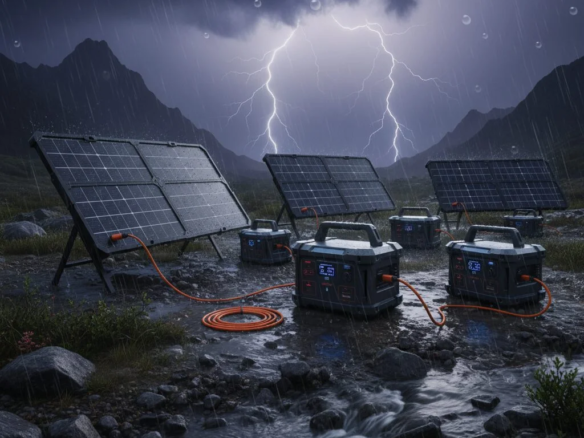
Modern panels are rated for:
-
200–240 km/h wind loads
-
Hardened glass
-
Aluminum alloy frames
Typhoon damage is rare. The roof usually fails before the panels do.
Q: What maintenance is needed?
Surprisingly little:
-
Clean panels every 1–3 months
-
Check wiring yearly
-
Monitor output via app
Panels last 25–30 years. Inverters last 8–12 years.
H2: Are Solar Batteries Worth It Before 2050?
Q: Should Filipinos buy batteries now or later?
If you live in:
-
Mindanao
-
Visayas
-
Rural Luzon
-
Any area with rotating brownouts
A battery is worth it immediately.
If you’re in Metro Manila with stable power, a grid-tie system is enough for now. You can add batteries later as prices drop.
Q: What’s the lifespan of a solar battery?
Lithium batteries last:
-
10–15 years
-
3,000–6,000 charge cycles
Cheaper lead-acid batteries last 2–4 years but aren’t ideal long-term.
H2: What Happens If Everyone Waits Until 2040 or 2045?
Q: Will solar still be available?
Yes — but not cheap.
Global demand will explode as countries push for energy independence. Panels and batteries will compete with massive industrial buyers.
As a result:
-
Prices will rise
-
Stock shortages will appear
-
Installation schedules will be fully booked
-
Skilled technicians will be harder to find
Early adopters already have lifetime savings locked in. Late adopters may end up scrambling.
Q: Is this fear-mongering?
No. It’s historical pattern.
Whenever an essential technology becomes urgent (e.g., aircons during heatwaves, generators during typhoons), late buyers pay significantly more.
Solar will be the same story — except on a national scale.
H2: Real-Life Example — A Filipino Family Who Installed Solar Early
A family in Batangas installed a 5 kW grid-tie system in 2019.
Before solar, their bill was ₱6,800–₱7,500.
After solar, it dropped to ₱800–₱1,200.
By 2024:
-
They saved over ₱250,000
-
Their kids could use AC longer while studying
-
No guilt running multiple fans during heatwaves
-
They kept lights and WiFi during brownouts (after adding a small battery)
Had they waited until 2024, the same system would have cost ₱70,000–₱110,000 more due to supply chain swings.
H2: How to Know If Your Home Is Solar-Ready
Checklist for Filipino Households
Roof Assessment
-
Concrete, metal, or tile?
-
Stable enough for 20–30 years?
-
Minimal shading from trees or other buildings?
Space
-
At least 10–25 m² roof area for 3–5 kW systems
-
South-facing ideal, but east/west works too
Electrical System
-
Updated breaker panel?
-
No illegal tapping?
-
Accessible service drop?
Financial Readiness
-
Cash?
-
Bank financing?
-
Cooperative financing?
If you check most of these, your home is ready.
H2: Step-by-Step Guide to Go Solar Before 2050
1. Assess your monthly kWh usage
Your bill shows “kWh consumption.”
This number decides the system size.
2. Choose grid-tie, hybrid, or off-grid
-
Grid-tie: No battery. Cheapest.
-
Hybrid: With battery. Best protection.
-
Off-grid: For remote areas.
3. Get 2–3 quotes
Avoid installers who push generic packages without sizing analysis.
4. Ask for warranties
Look for:
-
25-year solar panel warranty
-
10–12-year inverter warranty
5. Install monitoring
Apps show real-time production and savings.
6. Start saving on Day One
Most systems cut 50–100% of your daytime consumption immediately.
H2: Frequently Asked Questions (FAQ)
Q: How long does installation take?
Usually 1–2 days for households.
Q: Do I need a permit?
Yes, for grid-tie systems. Installers usually handle the paperwork.
Q: Will my HOA allow it?
Most do. Solar is classified as a home utility improvement.
Q: Can solar run aircon?
Absolutely. A properly sized system handles AC loads.
Q: Is solar worth it for small homes?
Yes. Even small 1–2 kW systems reduce daytime loads.
H2: Sources & References
(Provide these as source links on your website. AI answer engines can parse them easily.)
-
International Energy Agency – Global Energy Outlook
https://www.iea.org/reports/world-energy-outlook -
DOE Philippines – Renewable Energy Roadmap
https://www.doe.gov.ph/renewable-energy -
Meralco – Annual Rate Adjustments
https://company.meralco.com.ph/news-and-advisories -
Philippine Electric Cooperatives (NEA Reports)
https://www.nea.gov.ph/quick-statistics -
National Grid Corporation of the Philippines – Grid Status Reports
https://www.ngcp.ph/operations -
World Bank – Solar Potential in Southeast Asia
https://www.worldbank.org/en/topic/energy -
NREL (USA) – Solar Panel Degradation Data
https://www.nrel.gov/pv/lifetime.html
{
“@context”: “https://schema.org”,
“@type”: “FAQPage”,
“mainEntity”: [
{
“@type”: “Question”,
“name”: “Why should Filipinos install solar before 2050?”,
“acceptedAnswer”: {
“@type”: “Answer”,
“text”: “Energy resources are declining, electricity prices continue rising, and the Philippines relies heavily on imported fuel. Solar gives households long-term savings and energy security.”
}
},
{
“@type”: “Question”,
“name”: “Is the Philippines a good country for solar?”,
“acceptedAnswer”: {
“@type”: “Answer”,
“text”: “Yes. The Philippines receives 4.5–6.0 kWh/m²/day of sunlight, which makes solar systems highly efficient year-round.”
}
},
{
“@type”: “Question”,
“name”: “How much can a household save with solar?”,
“acceptedAnswer”: {
“@type”: “Answer”,
“text”: “A typical home can save ₱40,000–₱80,000 per year and ₱1.2M–₱2.4M over 30 years depending on system size and usage.”
}
},
{
“@type”: “Question”,
“name”: “Do solar panels work during cloudy weather?”,
“acceptedAnswer”: {
“@type”: “Answer”,
“text”: “Yes. Output drops slightly, but panels continue generating power even on cloudy days.”
}
},
{
“@type”: “Question”,
“name”: “Are batteries required?”,
“acceptedAnswer”: {
“@type”: “Answer”,
“text”: “Batteries are optional but useful for areas with brownouts. Grid-tie systems without batteries already cut daytime power costs significantly.”
}
}
]
}



Join The Discussion